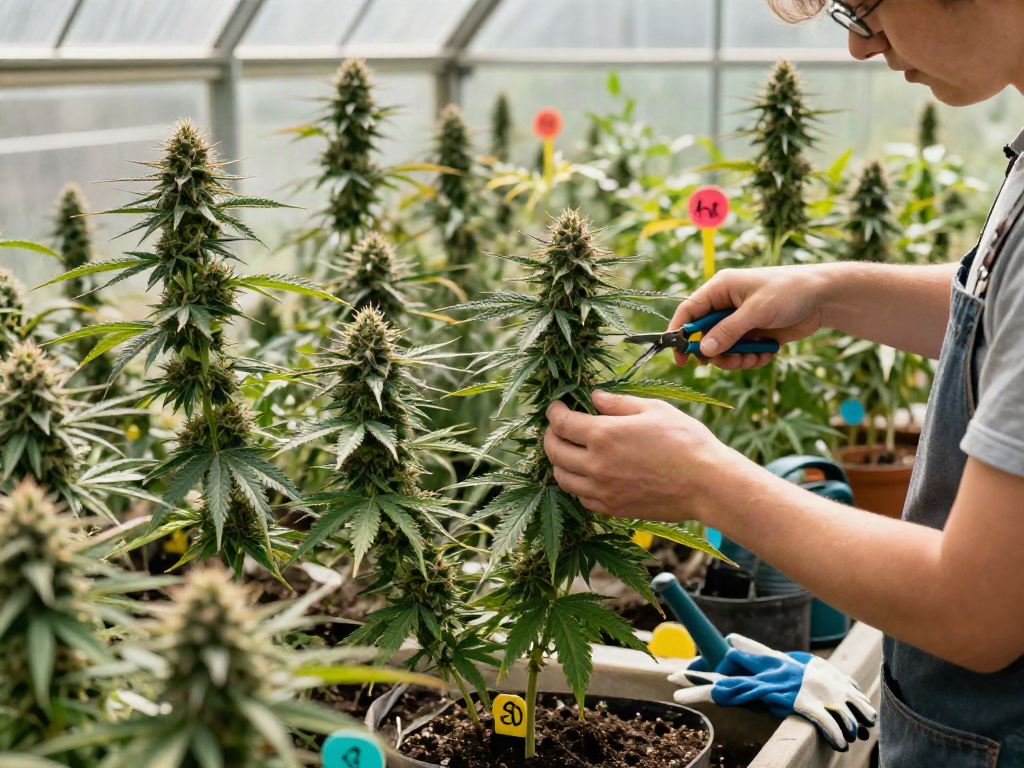
Understanding Split Cannabis
In the ever-evolving world of cannabis cultivation, "Split Cannabis" refers to a fascinating technique that has emerged among growers seeking to maximize their yields and enhance the quality of their products. This practice involves strategically manipulating plant growth to create distinct segments or "splits," which can lead not only to increased production but also to the development of unique flavor profiles and potency levels. When exploring options, Split Cannabis provides comprehensive insights into this innovative approach, making it a valuable resource for cultivators.
What is Split Cannabis and its Origins?
Split Cannabis is a term that has gained popularity in the cannabis community, especially among experienced cultivators. Originating from techniques used in traditional horticulture, it has been adapted to meet the specific needs of cannabis plants. The essence of this technique lies in its ability to optimize growth by creating two or more distinct branches or segments within a single plant.
The roots of split cannabis cultivation can be traced back to ancient agricultural practices where split branches were utilized to increase sunlight exposure and airflow. However, in recent years, this method has been tailored for cannabis plants to enhance their overall health and productivity.
Differences Between Split Cannabis and Other Strains
Unlike conventional cannabis strains that grow as singular entities, Split Cannabis employs a method that can potentially double the yield from the same number of plants. This is achieved through the strategic manipulation of the plant's structure, allowing for more efficient use of resources such as light, water, and nutrients.
- Growth Structure: Split Cannabis plants often have a more complex branching system compared to traditional strains, providing better support for buds and preventing the sagging that can occur under the weight of heavy yields.
- Yield Efficiency: With the ability to grow multiple branches from a single stem, cultivators can harvest more products in less time and space.
- Flavor and Potency: The split technique encourages unique genetic expressions, potentially leading to novel flavor profiles and varying potency levels in the buds.
The Science Behind Cannabis Splitting
The scientific principles behind Split Cannabis hinge on plant biology and the effects of stress on growth patterns. When a grower intentionally induces splits—whether through topping, fimming, or other training methods—the plant responds by reallocating its energy to support the new growth sites. This process, known as apical dominance, allows for the development of multiple bud sites, which can significantly enhance yield potential.
Furthermore, this method can invigorate a plant’s natural defenses, making it more resilient to pests and diseases. Understanding these biological responses is key for any cultivator looking to delve into the realm of Split Cannabis.
Myths Surrounding Split Cannabis
Myth 1: Split Cannabis is Less Potent
A common misconception about Split Cannabis is that the splitting process diminishes the potency of the buds. In reality, when executed correctly, this technique can often lead to higher concentrations of cannabinoids and terpenes, resulting in a product that can be just as potent, if not more so, than traditionally grown strains.
Myth 2: Only Beginners Use Split Cannabis
Another myth is that only novice growers opt for split techniques. In fact, many seasoned cultivators utilize splitting strategies to optimize their yields and create distinctive products. Experienced growers appreciate the benefits of split cannabis, as it allows for greater customization of flavor and potency profiles.
Myth 3: Split Cannabis is Dangerous to Consume
Concerns over the safety of consuming Split Cannabis are often unfounded. Just like any cannabis product, the key to safety lies in proper cultivation and handling practices. When grown in controlled conditions with attention to hygiene and nutrient management, Split Cannabis can be just as safe as any other strain on the market.
Benefits of Cultivating Split Cannabis
Maximizing Yield with Split Cannabis Techniques
One of the most prominent advantages of cultivating Split Cannabis is the potential for maximized yields. By employing techniques that promote splitting, growers can increase the number of bud sites on a single plant, effectively doubling or even tripling the harvest potential.
Enhancing Flavor Profiles in Split Cannabis Strains
Another benefit is the ability to enhance flavor profiles. The cutting of stems and branches during the splitting process can prompt the plant to produce unique terpenes, leading to new and exciting flavor variations. This not only appeals to consumers but also sets cultivators apart in a competitive market.
Health Benefits Associated with Split Cannabis
Beyond the economic benefits, Split Cannabis is believed to offer various health advantages. The increased cannabinoid profiles can lead to more effective medicinal properties, catering to users who seek specific therapeutic effects. Whether it’s pain relief, anxiety reduction, or appetite stimulation, Split Cannabis can be a potent option for medicinal users.
Best Practices for Growing Split Cannabis
Optimal Conditions for Growing Split Cannabis
To ensure the best results with Split Cannabis, it’s essential to create optimal growing conditions. This includes maintaining appropriate temperature and humidity levels, as well as providing adequate light exposure. Utilizing high-quality grow lights and ensuring proper airflow can greatly enhance the growth of split plants.
Pruning and Training Techniques for Split Cannabis
Effective pruning and training techniques are vital for successful split cannabis cultivation. Techniques such as Low Stress Training (LST) or High Stress Training (HST) are commonly employed to encourage branching. Understanding when and how to prune can significantly impact the overall health and yield of the plants.
Harvesting Strategies for High-Quality Yields
Finally, harvesting strategies should be meticulously planned when dealing with Split Cannabis. Timing is crucial, as harvesting too early or too late can affect the quality of the buds. Employing methods such as the “trichome check” technique will ensure that buds are harvested at their peak potency and flavor.
Future Trends in Split Cannabis Cultivation
Emerging Technologies in Cannabis Cultivation for 2026
As we look to the future, emerging technologies are poised to revolutionize Split Cannabis cultivation. Innovations in precision agriculture, such as automated grow systems and advanced nutrient delivery methods, will enable growers to optimize conditions and manage crops more effectively. These technologies promise to streamline the significant labor involved in split cultivation.
Market Predictions for Split Cannabis Strains
Market predictions indicate a growing demand for Split Cannabis strains, particularly among both recreational and medicinal consumers. As more people become informed about the benefits of this technique, we anticipate an increase in its popularity, which could drive prices higher and further incentivize growers to adopt these methods.
Expert Insights on the Next Big Trends
Experts suggest that one of the next big trends will be the genetic manipulation of cannabis strains specifically for split cultivation. Breeding programs aimed at enhancing traits conducive to splitting could lead to more resilient and high-yielding varieties on the market in the coming years.
What are the Health Benefits of Split Cannabis?
Research into the health benefits of cannabis continues to grow, with Split Cannabis offering potential advantages such as increased anti-inflammatory properties and more effective pain relief through a higher concentration of beneficial cannabinoids.
How to Properly Care for Split Cannabis Plants?
Proper care for Split Cannabis plants includes regular monitoring of growth patterns and responding to their needs. Ensuring that nutrients are balanced and addressing any pests or diseases promptly is crucial in maintaining a healthy crop.
Can Split Cannabis be Used in Edibles?
Yes, Split Cannabis can certainly be used in edibles. Its unique flavor profiles and potent cannabinoid levels make it an excellent choice for infusing oils or butters used in cooking and baking.
What are the Best Conditions for Growing Split Cannabis?
The best conditions for growing Split Cannabis include maintaining temperatures between 70°F to 80°F, ensuring humidity levels of 40-60%, and providing at least 12 hours of light daily during the vegetative stage. These conditions encourage healthy growth and maximize yield potential.
Is Split Cannabis Legal to Grow?
Legalities surrounding Split Cannabis, like other forms of cannabis cultivation, vary by location. Growers should always check local laws and regulations to ensure compliance with cultivation standards and legal limitations on cannabis growth.