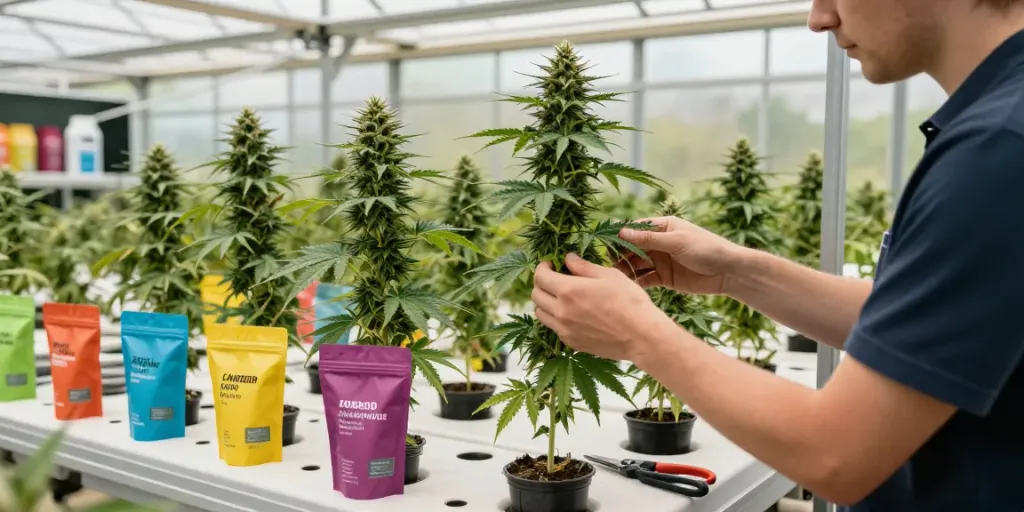
Understanding Triploid Seeds
The world of cannabis cultivation has evolved significantly over the years, with advancements in genetics leading to the development of unique seed varieties. Among these innovations are triploid seeds, a fascinating option for both commercial and home growers. These seeds offer promising features that can enhance the production and quality of cannabis plants. Understanding the characteristics and benefits of triploid seeds is essential for growers looking to maximize their cultivation efforts.
What Are Triploid Seeds?
Triploid seeds are cannabis seeds that possess three complete sets of chromosomes, in contrast to the typical two sets found in most cannabis varieties (diploid seeds). This unique genetic makeup is achieved through a complex breeding process that often involves crossing a tetraploid parent, which has four chromosome sets, with a diploid parent. The resulting offspring can inherit three sets of chromosomes and become triploid. While triploid seeds do not guarantee a specific outcome concerning sex, flowering schedule, or yield, they introduce an innovative avenue for breeders to explore enhanced traits.
Differences Between Triploid and Other Seed Types
When comparing triploid seeds to feminized and autoflower seeds, several key differences emerge. Feminized seeds are bred to eliminate male chromosomes, ensuring that every seed grows into a flowering female plant, which is crucial for growers looking to produce buds. Autoflower seeds, on the other hand, flower automatically after a certain period, regardless of light cycles. Triploid seeds, however, offer unique chromosome dynamics that can lead to higher resistance to environmental stressors and potential increases in yield. While they generally display a lower fertility rate, they can resist pollination more effectively, leading to seedless crops.
Key Benefits of Using Triploid Seeds
- Increased Yield: Many growers report that triploid plants can produce up to 30-100% more flowers than their diploid counterparts. This enhanced yield is particularly appealing for commercial growers.
- Seedless Crops: Triploid plants typically exhibit reduced fertility, making them less likely to produce seeds after pollen exposure. This trait is beneficial for producing high-quality, seedless buds.
- Faster Flowering Times: Triploid strains may have the potential to flower faster than traditional cannabis varieties, offering quicker turnaround times for growers.
- Enhanced Potency: There’s growing evidence suggesting that triploid cannabis can have elevated THC and terpene levels, contributing to richer flavors and more potent effects.
The Science Behind Triploid Genetics
Chromosome Structures Explained
The genetic structure of plants plays a vital role in their development and viability. Understanding how triploid chromosomes interact provides insight into their overall performance. Triploid plants encounter unique challenges during meiosis, which is the process of cell division that leads to gamete formation. The uneven distribution of chromosomes can hinder normal reproductive processes, often resulting in a plant that is less fertile. This natural limitation, however, is beneficial for growers seeking optimized flower production without the complications of seed formation.
Breeding Methods for Triploid Seeds
Creating triploid seeds requires advanced breeding techniques that often involve careful selection of parental strains. Breeders typically start with a tetraploid plant, which is induced through chemical treatments or natural mutations. When crossed with a diploid parent, the resulting seeds have a higher probability of being triploid. This selective breeding process allows growers to tap into desirable traits from both parent plants while introducing the unique qualities of triploidy into the offspring.
Implications of Triploidy on Plant Growth
Triploid plants often show distinctive growth patterns when compared to diploid plants. Since they generally have lower fertility rates, there may be less competition for resources among the flowers, allowing for more robust growth and larger buds. Moreover, the factors of terpene and THC production can be positively influenced by the triploid structure, making these plants appealing for those in search of higher quality cannabis. Despite these advantages, growers should monitor environmental conditions closely, as triploid plants can still be susceptible to stress from pests or environmental factors.
Advantages of Growing Triploid Cannabis
Enhanced Yield Potential
One of the most compelling reasons to consider triploid seeds is their potential for increased yield. With reports of triploid cannabis plants yielding substantially more than their diploid counterparts, growers can experience significant benefits in both commercial and home cultivation settings. The larger flower sizes and greater overall biomass contribute to a more productive growing season.
Natural Pest Resistance and Fertility Constraints
Triploid plants often possess inherent characteristics that provide natural resistance to pests and diseases. The sterility associated with triploid genetics can act as a form of crop insurance, as the reduced seed production limits the risk of hybridization with unwanted pollen. This feature is particularly advantageous for growers focused on maintaining purity in their cannabis strains.
Flavor and Potency: What to Expect
Flavor and potency are crucial elements for cannabis consumers, and triploid strains are believed to offer superior profiles in these respects. The increased levels of cannabinoids and terpenes can lead to strains that are not only more potent but also more aromatic and flavorful. Growers focusing on the end consumer experience may find triploid varieties to be particularly appealing.
Comparative Analysis: Triploid vs. Feminized vs. Autoflower Seeds
Yield and Growth Trajectories
When examining the yield potentials of triploid, feminized, and autoflower seeds, triploids often stand out for their capacity to produce more flowers. While feminized seeds ensure that every plant is female, allowing for focused yields, triploids can potentially yield larger, more potent flowers. Autoflower plants, with their rapid lifecycle, may not achieve the same yield levels as triploids, particularly under optimal growing conditions.
Maintenance and Care Differences
Each seed type requires different care strategies. Triploid plants may need attentive management concerning their environmental conditions to optimize their growth potential while minimizing stress effects. Feminized seeds generally require standard care focused on promoting healthy flowering stages, while autoflower seeds might be easier for beginners due to their resilience under varying light conditions.
Market Trends in 2026
With the cannabis industry continuing to grow, understanding market trends is vital. By 2026, triploid seeds are expected to gain more traction in commercial cultivation due to their unique advantages. As growers become more familiar with triploid genetics and their benefits, it's likely that demand for these seeds will continue to increase, altering the landscape of cannabis production.
Frequently Asked Questions About Triploid Seeds
Are triploid seeds worth it?
For many growers, the advantages of triploid seeds—such as increased yields, enhanced potency, and natural pest resistance—make them a valuable investment in cultivation.
Where can I buy triploid seeds?
Triploid seeds can be purchased from various seed banks and specialized retailers focusing on advanced cannabis genetics. Ensuring you buy from reputable sources is crucial for quality assurance.
What should I know before planting triploid seeds?
Before planting triploid seeds, it's essential to understand their unique genetic makeup and care requirements. Growers should prepare for potential challenges regarding fertility and monitor environmental stressors closely.
How to ensure the best growth for triploid plants?
To promote healthy growth in triploid plants, provide optimal light, nutrients, and water. Regular monitoring of environmental conditions can also help mitigate potential stresses that may affect yield.
What challenges might I face with triploid seeds?
Challenges with triploid seeds may include managing their lower fertility and ensuring they receive the right care to avoid environmental stress. Knowledge of their genetic traits can help growers adapt their cultivation strategies effectively.