
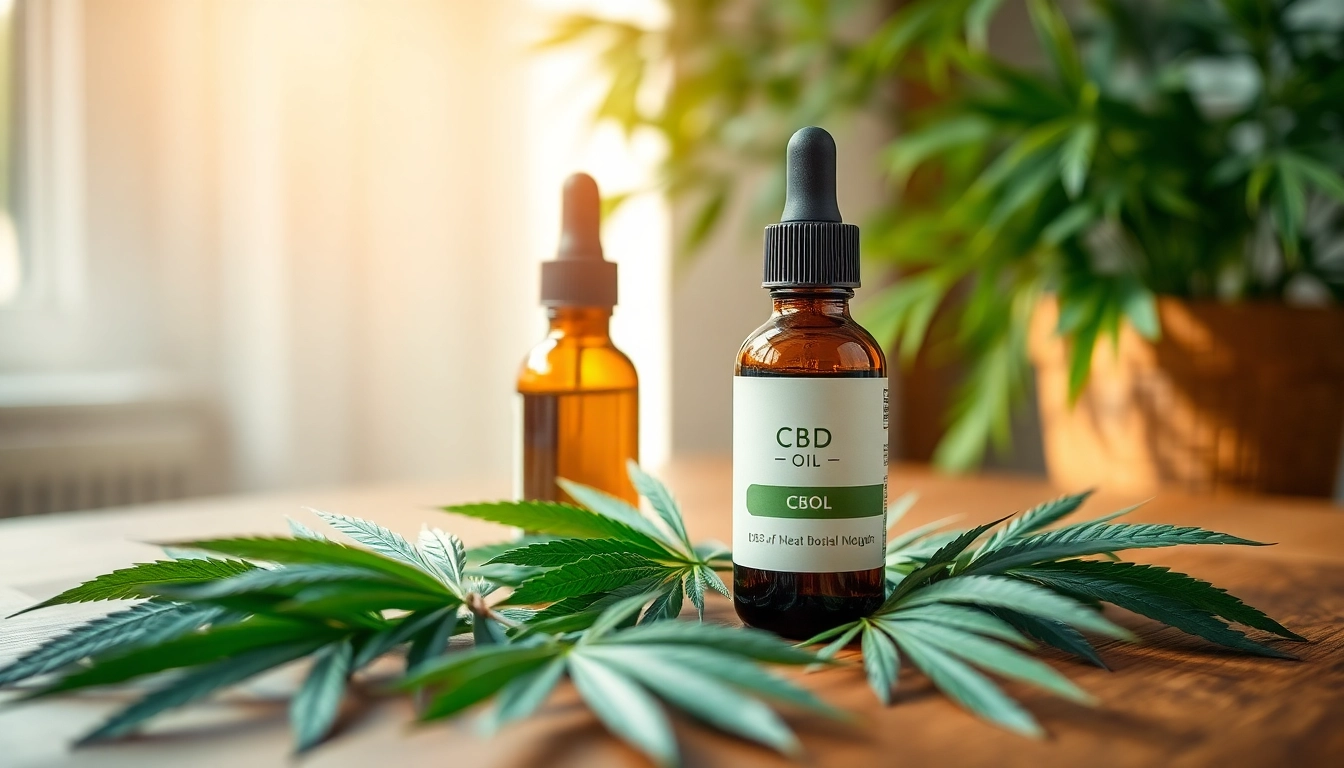
Introduction to CBD Oil
Cannabidiol, commonly known as CBD Oil, has gained significant popularity in recent years, emerging as a potential remedy for a variety of health issues. Unlike its more famous counterpart, tetrahydrocannabinol (THC), CBD Oil does not produce psychoactive effects. This unique quality has attracted attention from individuals seeking natural alternatives to conventional medicine. CBD Oil is derived from the cannabis plant and has made its way into wellness products across the globe.
What is CBD Oil?
CBD Oil is a compound extracted from the flowers and leaves of the cannabis plant. Cannabidiol is one of over 100 cannabinoids identified in hemp plants. Its therapeutic properties have inspired ongoing research and extensive interest regarding its health benefits. Unlike THC, CBD does not lead to euphoria or a "high" effect, making it appealing for those who need relief without the mind-altering effects of cannabis.
How CBD Oil is Made
The extraction process of CBD Oil typically involves several methods, each with its advantages and drawbacks. The most common methods include:
- CO2 Extraction: This method uses carbon dioxide to extract CBD by applying high pressure and temperature. It is considered the most efficient and yields a high-quality product with minimal residual solvents.
- Solvent Extraction: This process involves using solvents like ethanol or butane to separate the oil from the plant material. While effective, this method can leave residual chemicals.
- Olive Oil Extraction: Natural and straightforward, this method uses heated olive oil to extract CBD. However, it generally produces a lower concentration of CBD Oil and has a shorter shelf life.
Legal Status of CBD Oil
The legal status of CBD varies significantly across different regions and states. In the United States, the 2018 Farm Bill legalized hemp-derived CBD products that contain less than 0.3% THC. However, regulations can differ at the state level, and some states impose stricter controls and guidelines. It is crucial for consumers to be aware of their local laws regarding CBD usage and distribution.
Health Benefits of CBD Oil
CBD Oil has been linked to numerous health benefits, prompting interest among both consumers and medical professionals alike. Below are some of the most researched benefits of CBD:
Relief from Chronic Pain
One of the most compelling benefits of CBD Oil is its potential to alleviate chronic pain. Many individuals suffering from conditions such as arthritis, multiple sclerosis, and fibromyalgia report significant improvements when using CBD products. A study indicated that CBD may modulate pain pathways in the brain and immune system, providing a dual approach to pain management.
Reducing Anxiety and Stress
Many anecdotal reports and preliminary studies support the use of CBD Oil for reducing anxiety and stress levels. The compound interacts with the endocannabinoid system in the body, aiding in the regulation of mood and emotional responses. Research highlights its potential to help alleviate generalized anxiety disorder, social anxiety, and even PTSD, making CBD Oil an appealing option for those seeking natural anxiolytics.
Potential Neuroprotective Properties
Research suggests that CBD Oil may offer neuroprotective benefits, especially concerning neurodegenerative disorders such as Alzheimer’s and Parkinson’s disease. CBD's antioxidant and anti-inflammatory properties may facilitate the protection of neurons and promote overall brain health. Ongoing research aims to establish its efficacy clearly and understand the underlying mechanisms involved.
How to Use CBD Oil Effectively
Using CBD Oil effectively involves understanding the right dosage, consumption methods, and recognizing potential side effects.
Dosage Guidelines
Determining the appropriate dosage of CBD Oil can vary based on several factors, including individual health conditions, body weight, and the concentration of the product used. General guidelines suggest starting with a low dose, such as 5-10 mg per day, and gradually increasing until desired effects are achieved. It is crucial to consult with a healthcare professional for personalized recommendations.
Different Consumption Methods
CBD Oil can be consumed in various ways, including:
- Sublingual: Placing a few drops of oil under the tongue allows for rapid absorption into the bloodstream.
- Topical: Applying CBD-infused creams or balms directly to the skin can help relieve localized discomfort.
- Edibles: Gummies and other food products infused with CBD provide a tasty way to consume the oil, although they may take longer to take effect.
- Capsules: Similar to vitamins, CBD capsules offer a pre-measured dose for convenience.
Safety and Side Effects
While CBD Oil is generally well-tolerated, side effects can occur. Common side effects may include fatigue, diarrhea, and changes in appetite. It is essential for users to start with lower dosages and monitor their reactions. Consulting with healthcare professionals before beginning a new supplement is always advisable, particularly for those on other medications or with pre-existing conditions.
Choosing Quality CBD Oil Products
With a growing number of CBD products flooding the market, it's essential to choose high-quality options. Consider the following factors to ensure product quality:
What to Look for on Labels
When shopping for CBD Oil, look for products that provide full disclosure on their labels, including:
- Cannabinoid profile and concentration
- Exterior laboratory test results providing safety and purity data
- Ingredients, ensuring there are no unnecessary additives or fillers
Importance of Third-Party Testing
Third-party lab testing is crucial for verifying the quality and safety of CBD Oil products. Trustworthy brands will often provide Certificates of Analysis from independent labs, assuring consumers of potency and purity. This transparency helps build consumer trust and ensures compliance with regulatory standards.
Top Ingredients for Potent CBD Oil
Quality CBD Oil products often contain beneficial enhancements such as:
- Terpenes: Natural compounds that can enhance the therapeutic effects of CBD through the entourage effect.
- Carrier Oils: Oils like MCT oil, hempseed oil, or olive oil serve as a vehicle for CBD absorption.
- Vitamins: Infusing CBD with vitamins can further boost health benefits and improve product efficacy.
Future Research and Trends in CBD Oil
As research on CBD expands, new applications and trends continue to emerge within the industry.
Ongoing Clinical Trials
Numerous clinical trials are currently underway to further investigate CBD Oil's effects on different health conditions. These studies explore its potential role in treating epilepsy, anxiety disorders, and even its efficacy in cancer care. The results of these trials will be crucial in understanding CBD's full capabilities and gaining regulatory approvals for broader use.
Emerging Uses for CBD Oil
Innovations in product development are continuously emerging, leading to novel uses of CBD Oil that extend beyond traditional wellness. Potential areas of research include:
- Topical products aimed at skincare and anti-aging
- CBD-infused beverages like teas and coffees
- Use as a dietary supplement for overall wellness
Market Trends and Consumer Preferences
As consumers become more educated about CBD, market trends show a shift towards sustainably sourced and organically grown products. Transparency, ethical sourcing, and the growing demand for natural alternatives to pharmaceuticals are shaping consumer preferences and driving innovation within the industry.
In conclusion, CBD Oil represents a promising intersection of traditional herbal medicine and modern scientific curiosity. Its growing body of research suggests it may offer numerous health benefits, appealing to a wide audience seeking natural wellness solutions. However, as with any supplement, it's vital to make informed choices and consult healthcare professionals when considering CBD Oil for personal use.