 admin
admin 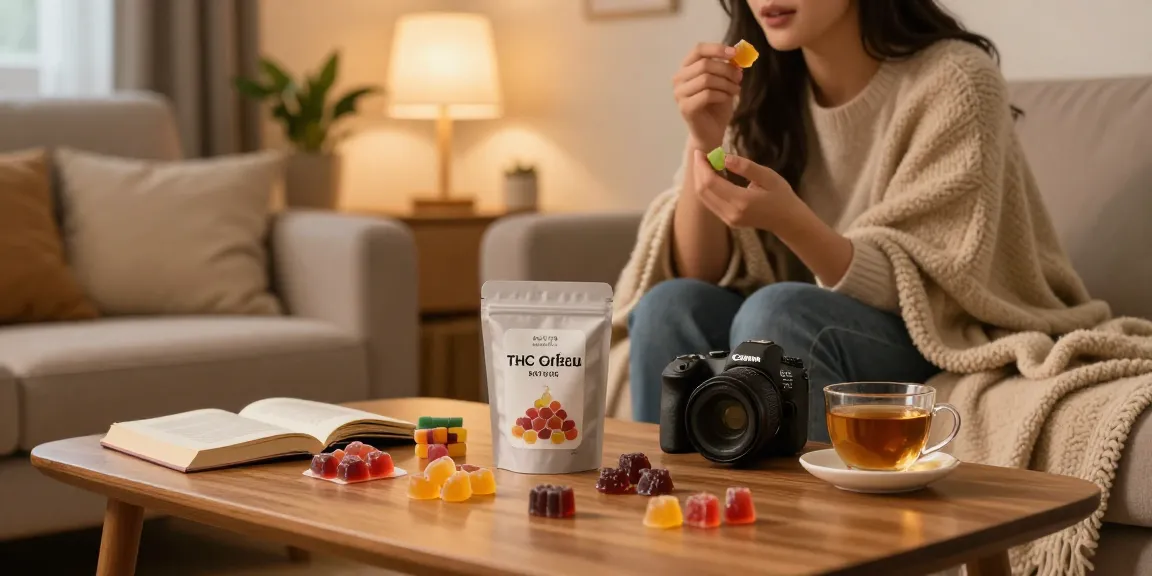
Understanding THC Edibles
THC edibles are a popular way for consumers to experience the psychoactive effects of cannabis without the need for inhalation. As more individuals turn to these alternative consumption methods, it is crucial to understand how they work, how they differ from smoking, and their potential effects on the body. When exploring options, thc edibles offer a unique and flavorful approach to cannabis enjoyment.
What Are THC Edibles?
THC edibles are food products infused with tetrahydrocannabinol (THC), the main psychoactive compound in cannabis. They come in various forms, including gummies, chocolates, beverages, and baked goods. Unlike traditional smoking or vaping methods, which deliver THC directly into the bloodstream through the lungs, edibles require digestion and metabolic processing, leading to a different experience altogether.
How THC is Processed in the Body
When consumed, THC passes through the digestive system and is metabolized by the liver. This process converts THC into 11-hydroxy-THC, a compound that has a stronger psychoactive effect compared to THC itself. As a result, the effects of edibles may take longer to kick in—typically ranging from 30 minutes to 2 hours—but they can also last significantly longer, often extending from 4 to 8 hours.
Comparing THC Edibles to Smoking
The primary distinction between consuming THC edibles and smoking cannabis lies in how quickly the effects are felt. With smoking, users may begin to feel the effects almost immediately, often within minutes. Conversely, edibles require patience, and users must wait for the body to process the product. Understanding this difference is crucial for new consumers to prevent overconsumption and ensure a positive experience.
Benefits and Effects of THC Edibles
Duration of Effects: What to Expect
THC edibles provide a prolonged experience compared to smoking. Typically, a high from smoking lasts between 1 to 3 hours, while edibles can keep you feeling the effects for 4 to 8 hours or more. This longer duration can be beneficial for individuals seeking sustained relief from conditions such as chronic pain, anxiety, or insomnia.
Benefits of Consuming THC Edibles
THC edibles come with several benefits:
- Discreet Consumption: Edibles can be consumed without drawing attention, making them a discreet option for those using cannabis in public or shared spaces.
- Variety of Flavors: With numerous options available, consumers can choose flavors and forms that appeal to their taste buds.
- Longer Lasting Effects: As mentioned, the prolonged effects make edibles suitable for therapeutic use.
- No Harmful Inhalation: For individuals concerned about lung health, edibles provide a smoke-free alternative.
Common Misconceptions About Edible Potency
Many new consumers mistakenly believe that edibles are safer or less potent than smoking because they contain less THC by volume. However, because the body metabolizes THC in a different way, edibles can sometimes produce stronger and more intense effects. It’s essential to approach edibles with caution and start with a low dose, especially if you are inexperienced.
Dosage and Consumption Guidelines
Calculating Your Ideal Dosage
To determine your ideal dosage of THC edibles, consider your experience level and the desired effects. As a general guideline:
- Begin with a low dose, typically between 2.5 mg to 5 mg of THC for beginners.
- Wait at least 2 hours after consumption before considering an additional dose, as effects can take time to manifest.
- For experienced users, a dose of 10 mg to 20 mg may be appropriate, but always listen to your body and adjust as needed.
Best Practices for Consumption
To enhance your edible experience, consider the following best practices:
- Start Low, Go Slow: Especially for first-time users, starting with a low dose helps prevent unwanted effects.
- Consume on a Full Stomach: Eating edibles on an empty stomach can lead to quicker absorption and potentially stronger effects. A small meal with some fat can help mitigate this.
- Stay Hydrated: Drinking water can aid digestion and improve your overall experience.
Eating Habits and Their Impact on Onset
Your eating habits can significantly influence how quickly you feel the effects of THC edibles. Consuming them after a light meal that includes healthy fats can help your body absorb THC more effectively. Conversely, if taken on an empty stomach, users may experience rapid onset but could also risk nausea or discomfort.
Storing and Preserving THC Edibles
Optimal Storage Conditions for Edibles
Proper storage is essential for maintaining the quality and potency of THC edibles. Keep them in their original packaging and store them in a cool, dark place to protect them from light and temperature fluctuations. Additionally, consider using child-proof containers to ensure safety.
Signs of Degraded THC Products
Always check for signs of degradation, such as:
- Changes in color or texture
- Unpleasant or off-putting smells
- Separation of ingredients or visible mold
If any of these signs are present, it’s best to discard the product to avoid any adverse effects.
How to Extend Shelf Life of Edibles
To extend the shelf life of your THC edibles, consider vacuum sealing them or using airtight containers. Keeping them away from heat sources and moisture will also help preserve their potency and flavor.
Safety and Overconsumption Management
Recognizing Overconsumption Symptoms
It is vital to be aware of the symptoms of overconsumption, which can include:
- Extreme lethargy
- Confusion or disorientation
- Rapid heart rate
- Nausea or vomiting
- Anxiety or panic attacks
What to Do If You’ve Consumed Too Much
If you find yourself in a situation of overconsumption, it’s crucial to stay calm. Remember that the effects of THC are temporary. Here are some steps to alleviate discomfort:
- Drink plenty of water to stay hydrated.
- Find a comfortable, quiet space to relax.
- Distract yourself with calming activities, such as watching a movie or listening to soothing music.
- Consider consuming CBD-rich products, which may help mitigate THC effects.
Balancing THC Edibles with CBD for Safety
Integrating CBD with THC edibles can create a balanced experience, as CBD may counter some of the psychoactive effects of THC. This balance can enhance therapeutic benefits while reducing potential discomfort. It is advisable to experiment with ratios, such as 1:1 or 2:1 CBD to THC, to find what works best for you.
What is the ideal THC dosage for beginners?
For new consumers, an ideal starting dose is typically between 2.5 mg to 5 mg of THC. This allows for a gentle introduction to the effects of THC without overwhelming the user. If the initial experience is positive, one can gradually increase the dosage in future sessions.
How do edibles affect people differently?
Individual experiences with THC edibles can vary widely based on factors such as body weight, metabolism, tolerance levels, and prior cannabis use. Moreover, the method of consumption—whether it’s a gummy versus a chocolate—can also influence the absorption rate of THC.
Are there any risks associated with THC edibles?
While many enjoy the benefits of THC edibles, risks include the potential for overconsumption, delayed onset leading to excessive dosing, and variability in edible potency. It’s essential to approach edibles thoughtfully and remain informed about your consumption.
Can you overdose on THC edibles?
Although it is technically possible to “overdose” on THC, the effects are generally not life-threatening but can be unpleasant. Symptoms of overconsumption can include extreme lethargy, anxiety, and nausea. Following the safety and management guidelines can help mitigate these experiences.
What should you do if you feel sick after consuming edibles?
If you feel sick after consuming edibles, try to find a calm and quiet environment. Drink water to stay hydrated, rest, and distract yourself with gentle activities. If symptoms persist or worsen, it may be advisable to consult a medical professional.